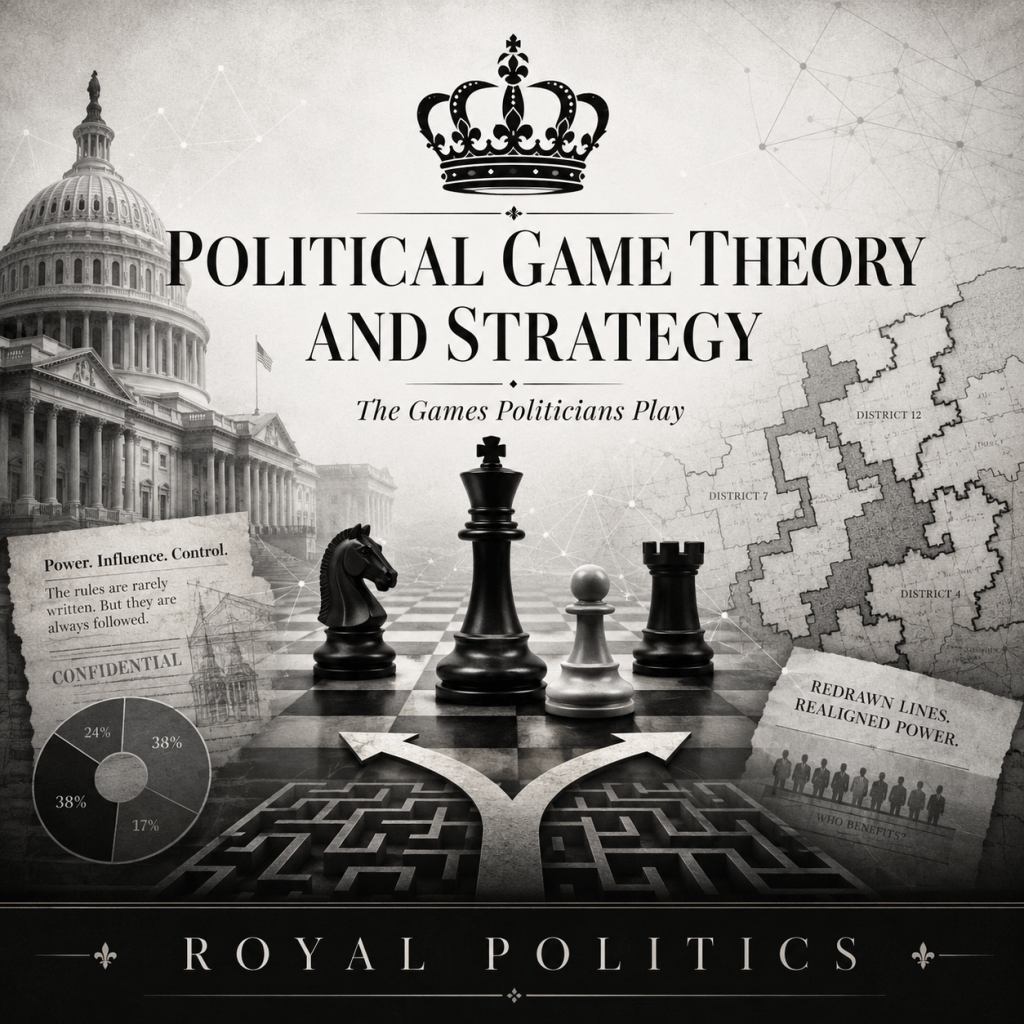
Politics is often presented as public service, debate, and democratic problem-solving, but much of the political arena operates through games that distract voters from real issues. These games shape how public attention is redirected, how voters are managed, and how power protects itself while material problems remain unresolved.
Common Political Games
Racial Divide-and-Conquer
Using race to split working-class, poor, or frustrated voters against each other instead of allowing them to focus on shared issues like housing, wages, healthcare, education, policing, debt, and corporate power.
Word Association Games
Attaching emotional labels to policies, groups, or opponents so voters react to the label instead of reading the policy. Words like “radical,” “woke,” “freedom,” “patriot,” “socialist,” or “law and order” can become shortcuts that bypass deeper analysis.
Gerrymandering
Drawing district maps so politicians choose their voters instead of voters choosing politicians.
Culture-War Distraction
Keeping the public focused on symbolic fights while material issues remain unresolved, including rent, groceries, insurance, wages, healthcare, student debt, war spending, infrastructure, and corporate influence.
Donor-Class Substitution
Campaigning publicly on “the people,” then governing around donor interests, industry requests, lobbying pressure, or PAC-backed priorities.
Dog-Whistle Politics
Using coded language that signals one meaning to a target audience while sounding neutral to the broader public. This allows politicians to activate resentment while maintaining plausible deniability.
Astroturfing
Creating the appearance of grassroots support through front groups, paid campaigns, or manufactured public pressure.
Procedural Fog
Hiding unpopular decisions inside amendments, committee procedures, late-night votes, omnibus bills, agency rules, budget language, or legal technicalities so the public cannot easily follow what happened.
Lesser-Evil Trapping
Convincing voters that they cannot demand anything because the other side is worse. This keeps voters locked into fear-based loyalty instead of performance-based accountability.
Outrage Cycling
Creating or amplifying constant controversies so voters stay emotionally exhausted and never focus long enough to track policy outcomes.
Crisis Timing
Waiting until the last minute to create urgency around budgets, shutdowns, debt ceilings, war funding, emergency powers, or court deadlines. The pressure of time makes weak deals easier to sell.
Symbolic Representation Substitution
Using identity, celebrity, photo ops, slogans, or public acknowledgments as substitutes for material outcomes.
False Binary Framing
Presenting only two choices when more options exist: support this bill or hate progress, support this party or help the enemy, accept this compromise or get nothing.
Blame-Shifting to Courts or Agencies
Politicians campaign on an issue, fail to legislate clearly, then blame courts, agencies, bureaucracy, or “the system” when outcomes collapse.
Constitutional Hardball
Using legal but norm-breaking maneuvers to gain partisan advantage while claiming the action is technically allowed.
Royal Politics Strategy Support
Recognizing the game is only the first step. Strategy is required for deeper analysis.
Royal Politics provides political consulting and strategy support for individuals, organizations, creators, advocacy groups, community leaders, and independent movements seeking clarity in complex political environments.
Book a strategy session with Royal Politics.
 Royal Politics
Leave a comment